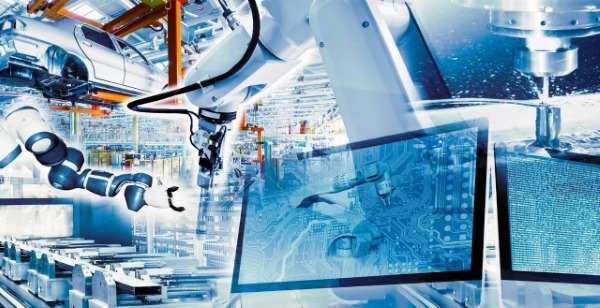
In the rapidly evolving landscape of global industry, advanced manufacturing companies stand at the forefront of innovation and efficiency. This progression not only reshapes how goods are produced but also redefines entire business models and market dynamics. From integrating cutting-edge digital technologies to fostering sustainable practices, advanced manufacturing offers a glimpse into a futuristic industrial ecosystem poised to tackle modern challenges while vastly expanding economic opportunities.
Technology
One of the significant aspects of advanced manufacturing is the integration of digital technologies, such as robotics, the Internet of Things (IoT), and artificial intelligence. This digital transformation streamlines production processes, reduces costs, and enhances precision, leading to higher quality products and shorter time-to-market. Industries that adopt these technologies can stay competitive in a global market by quickly adjusting to consumer demands and maintaining lean operations. The advancements also bring about increased personalization and customization of products, meeting diverse consumer needs more efficiently than ever before.
Geography
Geographically, certain regions epitomize the successful implementation of advanced manufacturing practices. Take, for example, the Detroit area, known for its rich industrial history and resilience. According to the Detroit Regional Chamber, over one half of the 18 Fortune 500 companies in Michigan are housed in Detroit. This concentration of corporate power, combined with a robust skilled workforce, positions Detroit as an epicenter for innovation in manufacturing. The city’s commitment to leveraging advanced manufacturing ensures it remains competitive in the automotive and broader industrial sectors, driving economic growth and providing thousands of jobs.
Sustainability
Another key impact of advanced manufacturing companies is their contribution to sustainability. By implementing greener production methods and more efficient resource management, industries can significantly reduce their environmental footprint. Innovations in materials science are leading to the development of lighter, stronger materials, which require less energy to produce and transport. Furthermore, techniques like 3D printing reduce waste by enabling precise manufacturing processes. This ongoing green transformation is crucial as industries worldwide strive to meet stringent environmental regulations and consumer demands for sustainably produced goods.
Advanced manufacturing companies represent a pivotal shift in industrial paradigms, promising a future of increased efficiency, customization, and sustainability. By embracing these technologies and practices, industries worldwide can not only survive but thrive in an increasingly competitive market. As regions like Detroit continue to pioneer advancements in this domain, the potential for growth and innovation is boundless, heralding a new era of industrial progress that benefits both economies and the planet. Contact Detroit Regional Partnership to become a part of the innovation, growth, and industry!