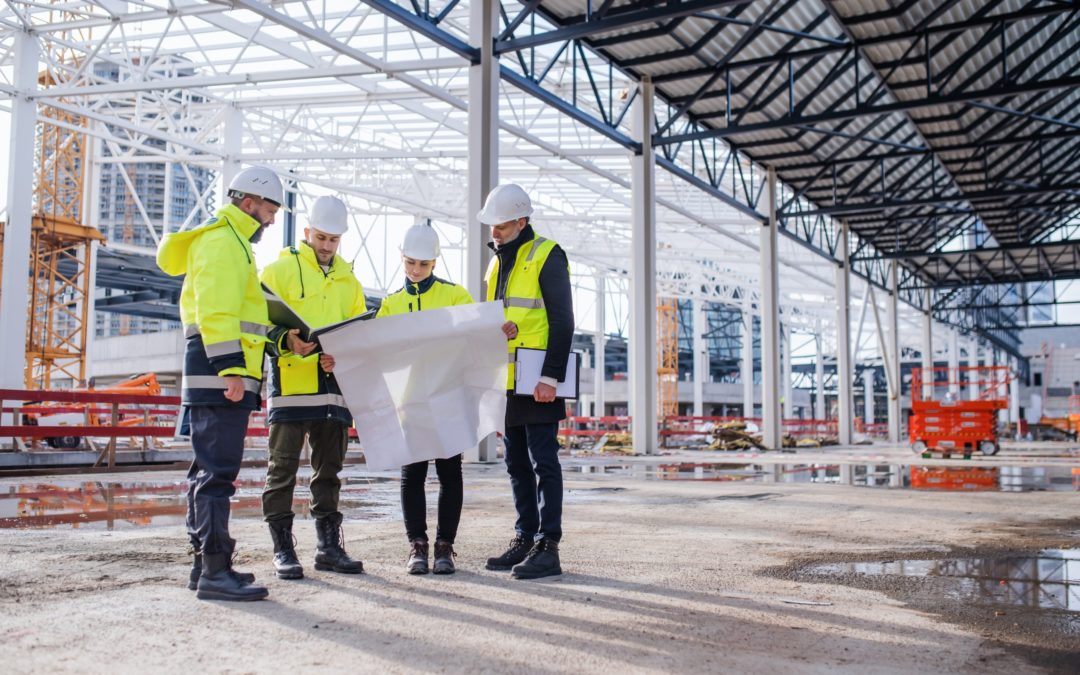
In the ever-evolving landscape of industrial development, transforming a mere idea into a fully realized, operational entity is a journey that demands vision, persistence, and strategic planning. From the inception of a concept to the eventual realization of an industrial project, each step requires careful consideration of market needs, environmental sustainability, and economic feasibility. As industries continue to innovate and expand, understanding the stages of development is crucial for successful project completion.
The Importance of Research and Analysis in Project Development
The initial phase of bringing an idea to life involves thorough research and analysis. This stage is crucial for identifying market demand, evaluating existing competition, and understanding the regulatory framework within which the project will operate. Moreover, strategic planning at this stage helps in aligning the concept with broader industrial trends and innovations, ensuring relevance and future growth potential. Comprehensive research lays the foundation for designing a project that not only meets immediate needs but also adapts to changing industry landscapes.
Design and Planning: Laying the Groundwork for Successful Execution
Once feasibility is established, the project enters the design and planning phase. Here, detailed architectural designs are developed, and engineering requirements are assessed. This phase also involves securing necessary permits and aligning the project with local zoning laws and regulations. As noted by the Urban Land Institute, Detroit ranked 39 in overall real estate prospects in 2024, underscoring the importance of understanding regional developments, market conditions, and real estate trends during this stage. Successful navigation of bureaucratic processes ensures a smooth transition from planning to construction.
Construction and Implementation: Bringing Your Vision to Life
The final step is the actual construction and implementation of the project, where tangible structures begin to take shape. This phase often involves collaboration among multiple stakeholders, including architects, engineers, construction teams, and local authorities. Effective management is crucial for adhering to timelines and budgetary constraints while maintaining quality standards. Additionally, addressing unforeseen challenges during construction is vital for bringing the project to completion and meeting industrial requirements.
In conclusion, the journey from concept to industrial completion is marked by a series of strategic phases, each requiring a unique set of skills and knowledge. From initial research of the industrial property for sale to final construction, it demands a multifaceted approach that integrates market intelligence, regulatory compliance, and innovative design. By understanding and effectively managing each stage, stakeholders can transform visionary concepts into impactful industrial projects that contribute to economic growth and technological progress. Are you looking for industrial property for sale? Give us a call at the Detroit Regional Partnership!