Case Studies in the Detroit Region

DRP worked to identify five examples of Modern Industrial Development that integrate many of the tools and approaches included within the Toolkit.

The case studies look at five recent industrial projects across Michigan. They cover a wide range of what industrial development means today. That includes a distribution and headquarters campus, the adaptive reuse of a vacant building, an advanced battery testing lab, a battery cell plant, and the retooling of a major auto assembly facility. Each study explains the site, the approvals process, the incentives involved, and the investment and jobs that followed, and references back to the toolkit resources that played a role.

The case studies show how projects actually got done, not just what was built. They show communities managing wetlands, traffic, and infrastructure through clear standards and predictable reviews. They also show local zoning with enough flexibility to keep a good project on schedule, and partnerships that helped companies stay and grow where they already were. For local officials, developers, and residents trying to picture modern industrial development in their own community, the case studies offer real examples and practical lessons they can use.
Case Studies
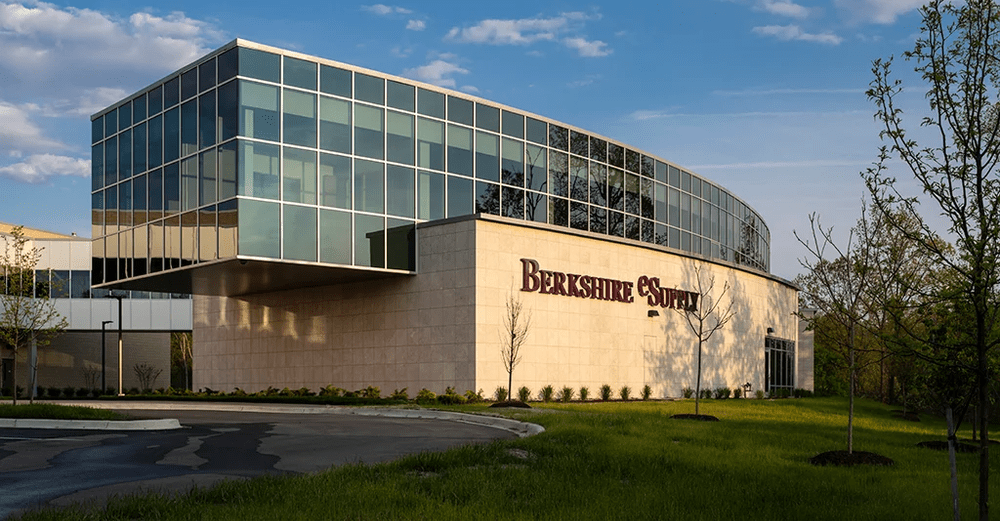
Berkshire eSupply

This project is a useful example for communities that want industrial investment without losing control of design, infrastructure, and environmental outcomes. Berkshire eSupply is not a traditional factory. It is an industrial distribution and fulfillment operation that supports manufacturing and maintenance supply chains at scale, with a professional headquarters presence and a campus feel.

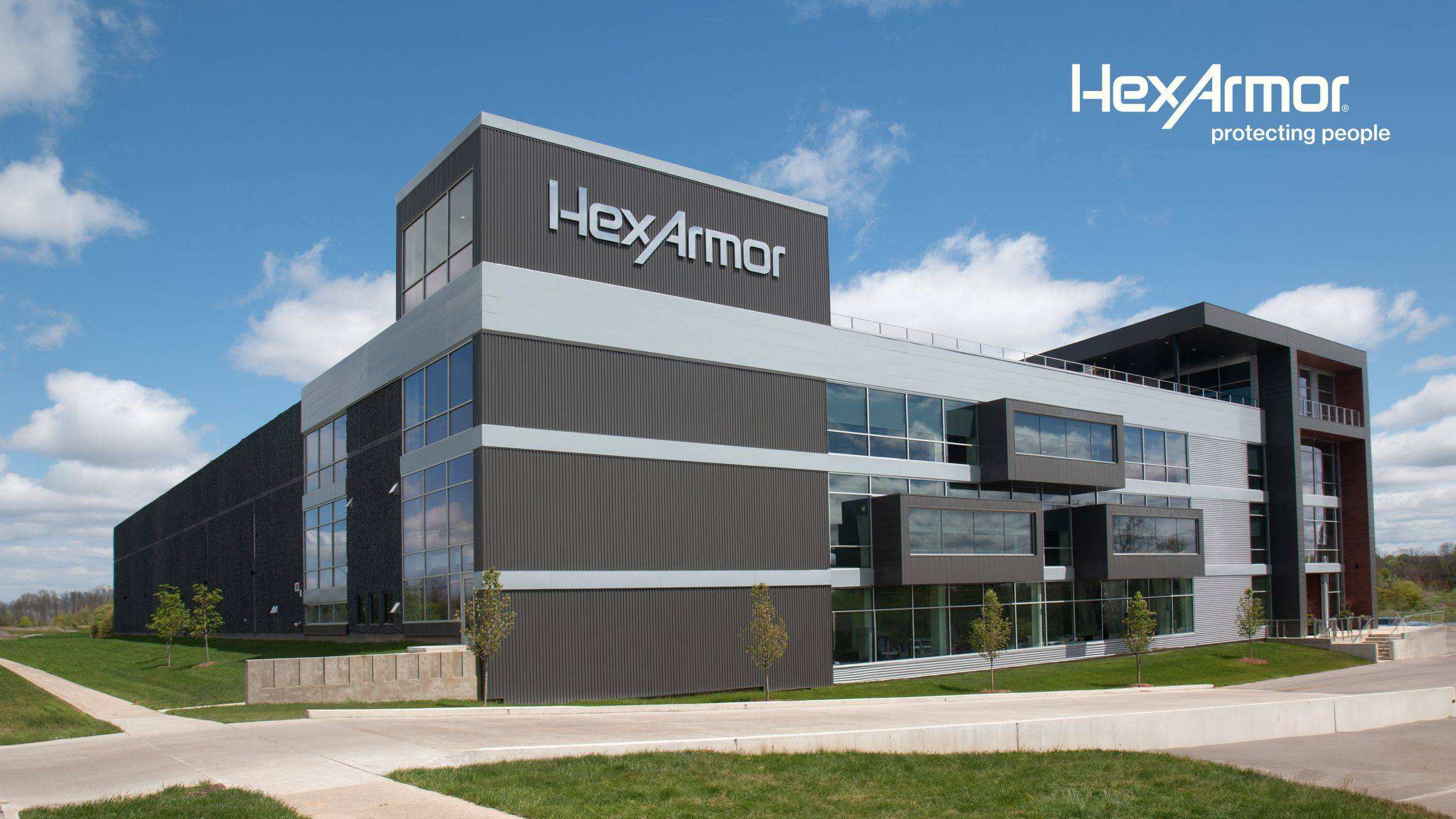
HexArmor

This project serves as an example of capturing growth opportunities that already exist within the community, demonstrating ways in which adaptively reusing obsolete buildings can mutually benefit both the industrial user and the local community. The City of Grand Rapids recognized this opportunity, proactively streamlining their zoning and approval processes to be nimble and reasonable when development opportunities such as HexArmor’s relocation arise.

UL Solutions

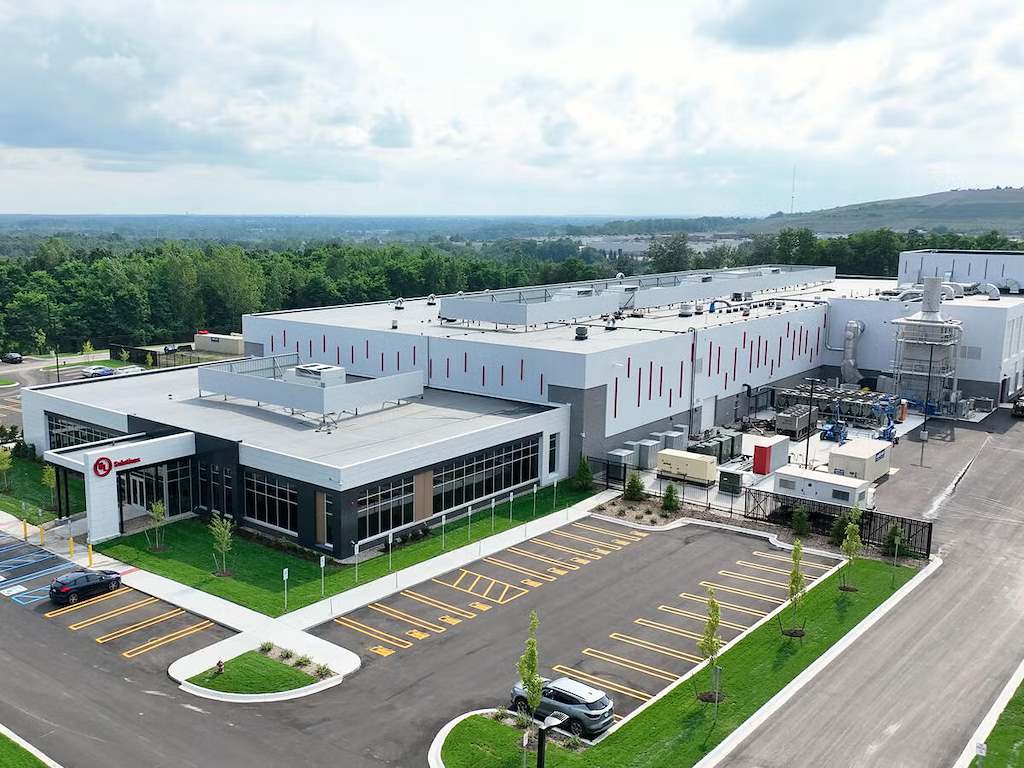
This is a useful example for communities that are cautious about industrial development, because it shows what a lot of “modern industrial” has become: controlled, high-value technical work that supports manufacturing, without looking or operating like a traditional heavy plant. UL’s Auburn Hills facility is built specifically for advanced battery testing and engineering, which is the kind of work EV and energy-storage companies need to move products through validation and certification.

LG Ultium Cells

The Ultium Cells battery manufacturing facility in Delta Township represents one of the most significant industrial investments in Michigan in recent decades. Developed to support the rapidly evolving electric vehicle supply chain, the project reflects the scale, complexity, and infrastructure demands that increasingly define modern industrial development.

GM Orion Assembly

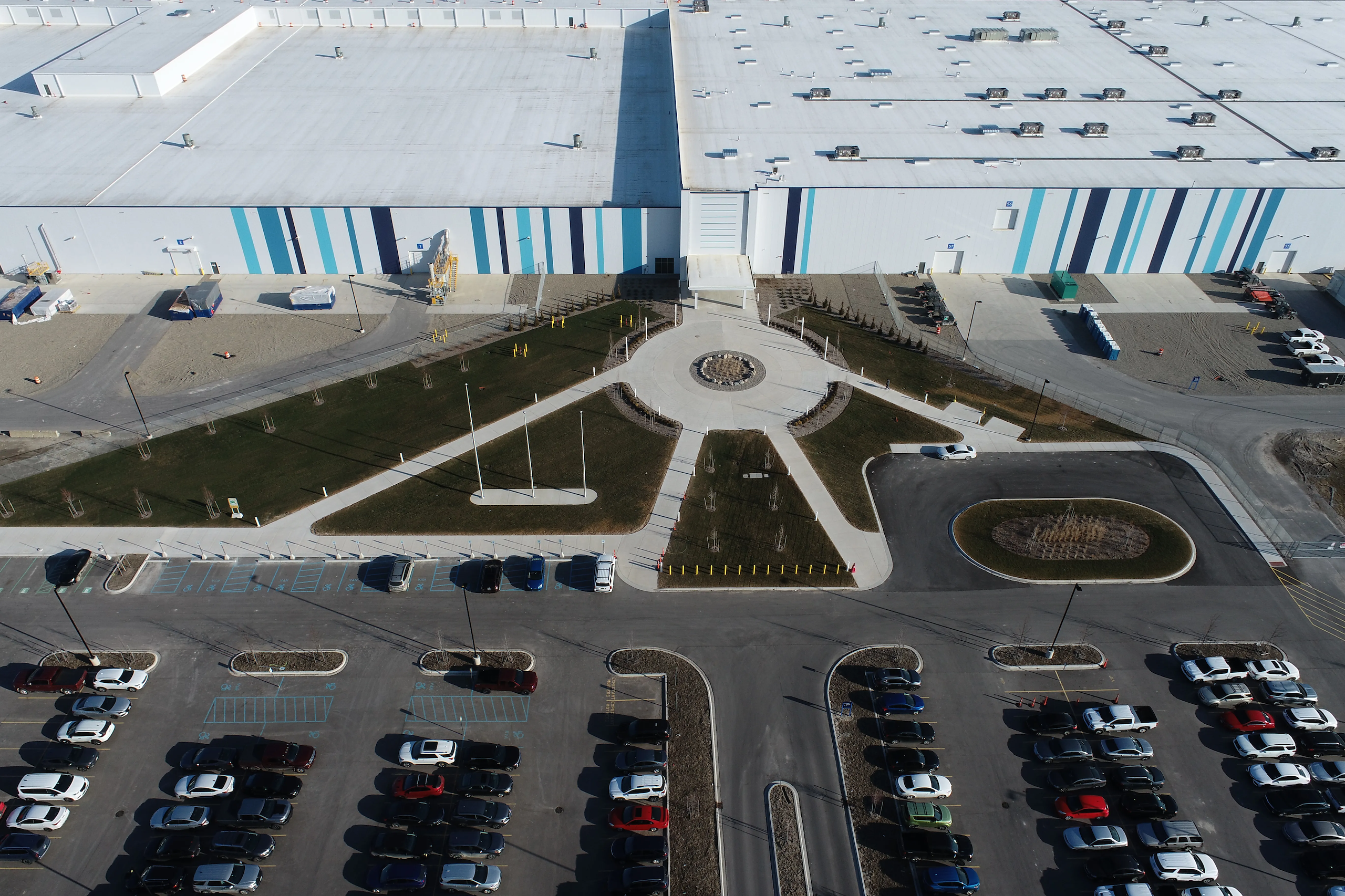
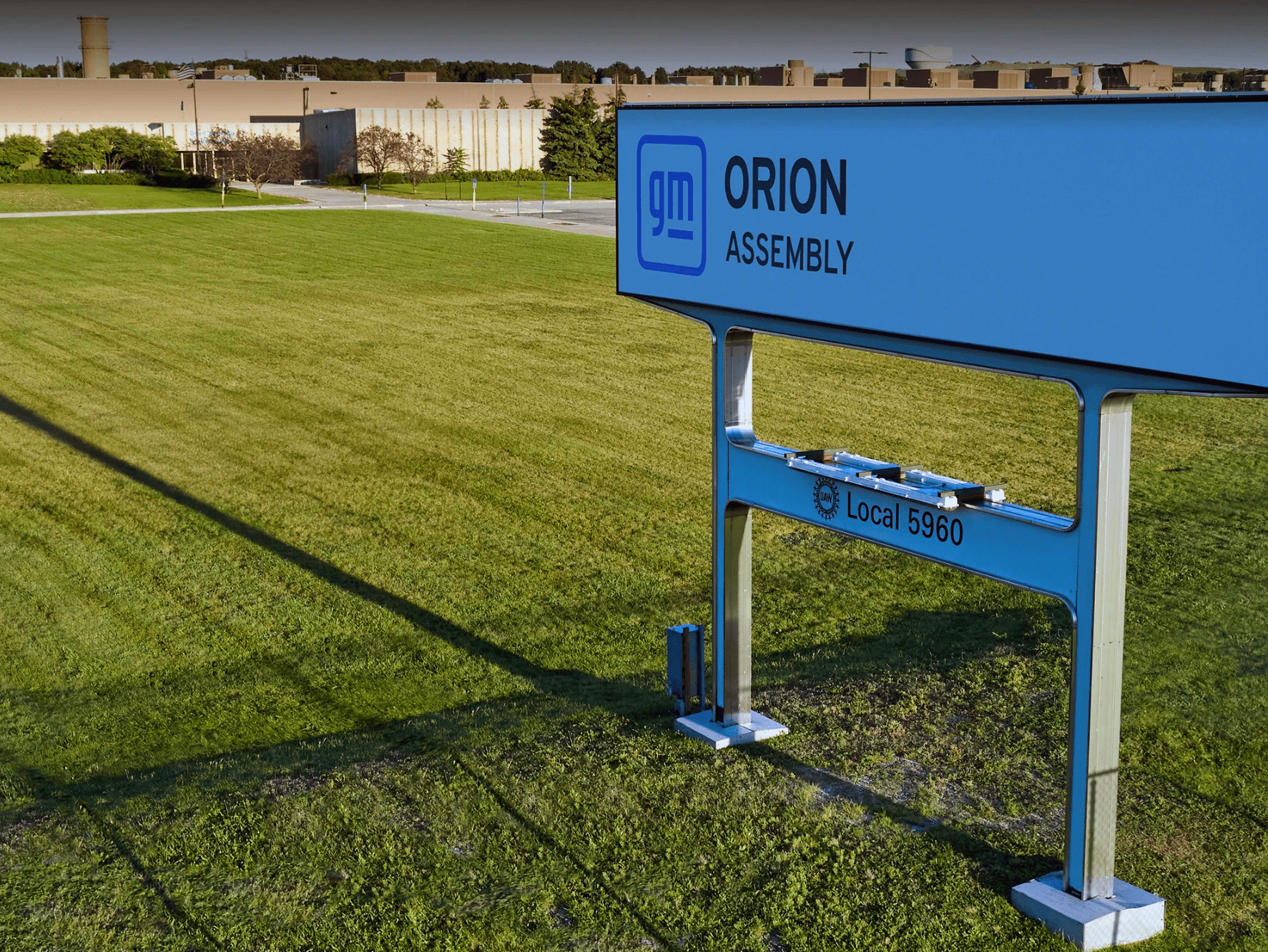
The GM Orion Assembly facility shows how existing sites can be modernized to fit the needs of today’s industrial landscape. The project also shows that industrial attraction is really only part of the story. Retention and reinvestment are critical components of industrial development, and they often hinge on whether or not a community can align zoning, approvals, and infrastructure to meet production timelines while staying true to the goals of the community.

Sector & Phase Details

The tools highlighted in the following case studies are detailed in the Technical Guidance portion of the Toolkit. Each tool is designed with a certain audience (sector) and stage of project (phase) in mind. The icons below denote which sector and phase the tool is intended for.

Sector

Public Sector: government agencies and publicly funded organizations at the local, state, and federal levels. Their role is to guide development in ways that align with community goals.
Private Sector: businesses, investors, developers, and property owners who bring capital, innovation, and market knowledge to projects. They typically take the lead in financing, designing, constructing, and operating new developments.

Phase

Pre-Project
Project Commencement
Construction/Post-Construction