As we advance into a future characterized by rapid technological innovation, the landscape of industry and mobility development is undergoing a significant transformation. What used to be traditional approaches to transportation and manufacturing are evolving into complex, interconnected systems driven by automation, AI, and sustainable solutions. To ensure a smooth transition, communities must proactively prepare for these changes by adapting infrastructure, fostering skill development, and encouraging collaboration across sectors.
Modernizing Infrastructure for Advanced Mobility Systems
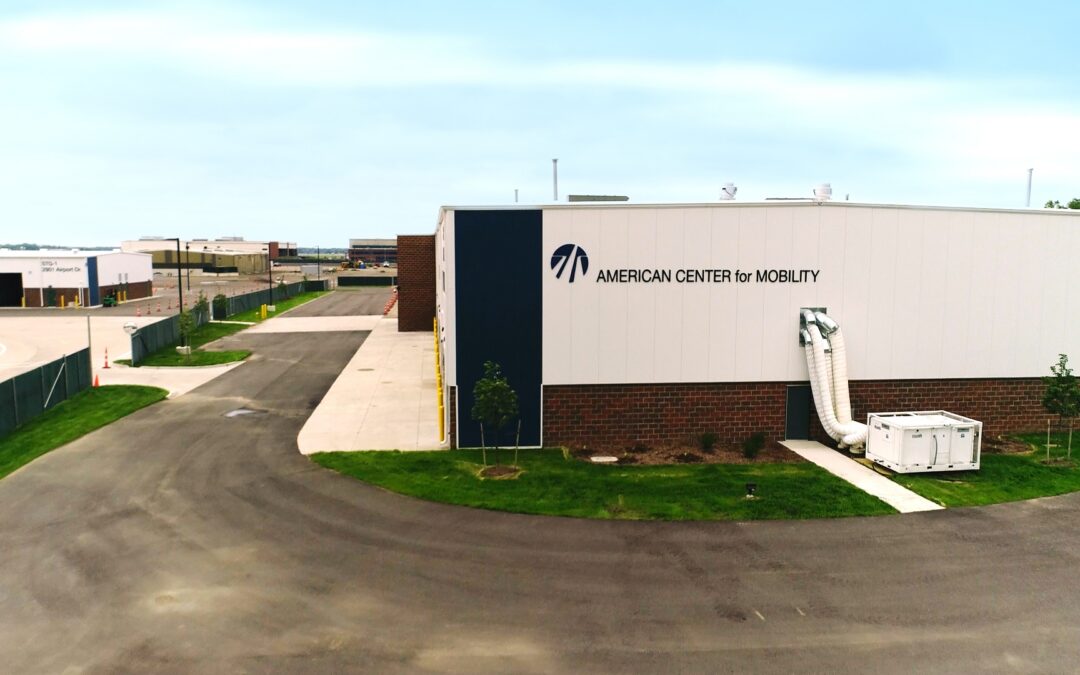
Infrastructure is the backbone of any thriving community, and its adaptation is crucial for embracing the future of industry and mobility development. Cities and towns need to invest in smart transportation systems that integrate electric transportation, shared mobility, and data-driven traffic management. Upgrading infrastructure not only results in improved efficiency and reduced emissions but also creates a foundation for sustainable growth. The Detroit Region’s hub of 11 testing and proving sites are leading the nation for innovators developing the next generation of automotive and mobility technologies.
Building a Workforce Ready for Industry Innovation
Another critical aspect of preparing communities is the development of a skilled workforce capable of navigating the technological advancements in industry. Educational institutions and businesses must collaborate to bridge the skills gap by implementing programs focused on STEM education, technical training, and continual learning. As industries evolve, there will be an increased demand for expertise in robotics, automation, and data analytics, making it essential for individuals to acquire these skills to remain competitive in the job market. Empowering the workforce with the necessary tools and knowledge directly contributes to the community’s economic resilience and prosperity.
Strengthening Cross-Sector Collaboration and Partnerships
Encouraging collaboration across different sectors and stakeholders is equally important in navigating the future of industry and mobility development. Public-private partnerships can drive innovation, create shared value, and address complex challenges that arise from these advancements. By fostering an environment where businesses, governments, and community organizations work together, communities can more effectively implement and adapt to new technologies. Collaborative efforts not only accelerate progress but also ensure the benefits of these innovations are equitably distributed among all members of society.
Preparing communities for the future of mobility and industry involves a multifaceted approach that includes upgrading infrastructure, fostering skill development, and promoting collaborative efforts. By taking these proactive steps, communities can not only meet the challenges posed by rapid technological advancements but also harness the opportunities they present to create a more sustainable, prosperous future. Reach out to us today at Detroit Regional Partnership to learn more.